

Industrial machines have played a vital role in the development of human civilization, enabling mass production and unprecedented efficiency. Here is a historical journey of the development of industrial machines from time to time.
Pre-Industrial Era
Before industrial machines existed, production was carried out manually by human hands or with the help of simple tools. In this era, production was limited to a small scale and took a long time.
Industrial Revolution (18th to 19th Centuries)
The Industrial Revolution was a turning point in the history of industrial machines. Starting in England in the late 18th century, this revolution was marked by the invention of the steam engine by James Watt. The steam engine allowed mechanical power to be generated from water vapor, which was then used to drive machines in textile factories and mines.
19th Century to Early 20th Century
In the 19th century, the development of industrial machines increased rapidly with the invention of new machines such as sewing machines, automatic weaving machines, and papermaking machines. The use of steam engines spread to various industrial sectors, including transportation with the advent of trains and steamships.
In the early 20th century, electric-powered machines began to replace steam engines. The invention of the electric motor and generator allowed factories to use electricity as their primary power source. This increased efficiency and flexibility in production.
20th Century: The Era of Automation
In the second half of the 20th century, automation technology began to be introduced in the manufacturing industry. Automatic machines and industrial robots enabled mass production with higher speed and precision. Computers and numerical control (CNC) technology also began to be used to control industrial machines automatically.
21st Century: The Digital Era and Industry 4.0
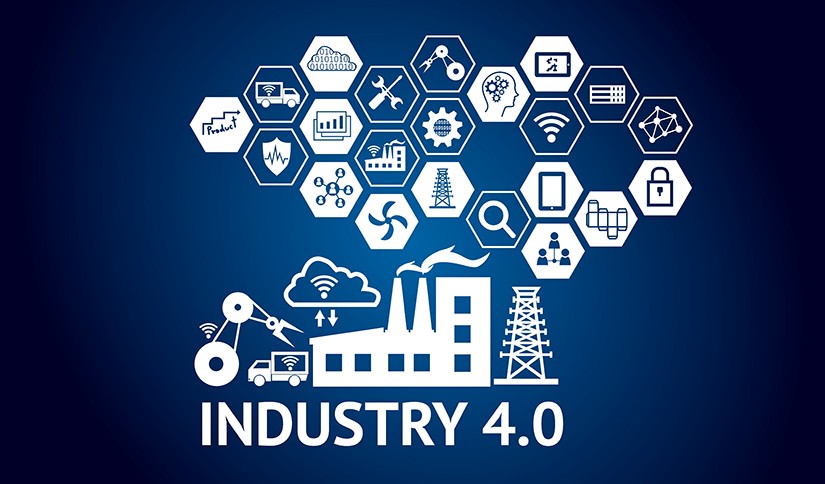
Entering the 21st century, the development of digital technology changed the face of industry with the concept of Industry 4.0. The Internet of Things (IoT), artificial intelligence (AI), and big data allow industrial machines to be connected to each other and operate intelligently. These machines can perform self-diagnosis, predictive maintenance, and optimize production processes in real time.
3D printing technology has also opened up new opportunities in production by enabling rapid prototyping and the production of complex components. Modern industrial machines are now more energy efficient and environmentally friendly, supporting the sustainability of the industry in the future.
Conclusion
The development of industrial machinery from time to time has brought about major changes in the way production is carried out. From the steam engine in the Industrial Revolution era to the intelligent digital machine in the Industry 4.0 era, each innovation has increased efficiency, productivity, and quality in the manufacturing industry. By continuing to innovate and adopt the latest technology, the industry can continue to grow and face future challenges better.


