

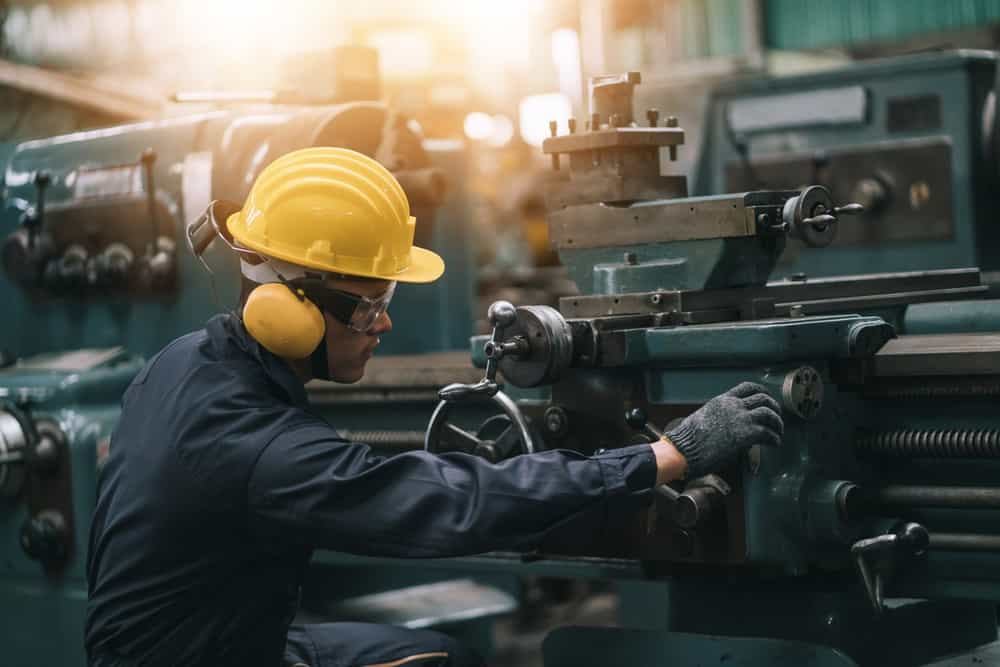
Properly maintaining industrial machinery is key to ensuring optimal performance and longevity. Without proper maintenance, machinery can experience premature failure, costly downtime, and decreased efficiency. Here are some important steps to take to keep your industrial machinery in tip-top condition.
1. Follow the Manufacturer’s Maintenance Guide
Every industrial machine comes with a maintenance guide provided by the manufacturer. This guide includes detailed instructions on how to properly care for and maintain the machine, including routine maintenance schedules, types of lubricants to use, and cleaning steps. Following this guide is a critical first step in maintaining your machinery.
2. Perform Routine Inspections
Routine inspections are an essential part of industrial machinery maintenance. During inspections, be sure to check key components such as belts, chains, bearings, and lubrication systems. Identify signs of wear or damage early to prevent bigger problems down the road.
3. Keep Your Machinery Clean
Cleanliness is a critical factor in maintaining machine performance. Dust, dirt, and production debris can cause clogging, wear, and damage to machine components. Make sure to clean the machine regularly and keep the work area clean. Use the appropriate cleaning tools to clean hard-to-reach parts of the machine.
4. Replace Worn Parts
Worn or damaged parts should be replaced immediately to prevent further damage to the machine. Make sure to use genuine or manufacturer-recommended parts to ensure compatibility and quality. Keep important spare parts on hand so you can replace them immediately when needed.
5. Lubricate Correctly
Good lubrication is key to reducing friction and wear on machine components. Use the manufacturer-recommended lubricant and be sure to lubricate according to the specified schedule. Do not over-lubricate or under-lubricate, as both can cause problems for the machine.
6. Monitor Machine Condition with Sensors
Modern sensor technology allows you to monitor machine conditions in real-time. Sensors can detect vibration, temperature, pressure, and other parameters that can indicate potential problems. By monitoring this data, you can take preventive action before problems become more serious.
7. Train Operators Properly
Well-trained operators are an important asset in maintaining industrial machinery. Make sure operators understand how to properly operate machinery, perform routine checks, and recognize signs of trouble. Ongoing training is also important to ensure operators stay up to date with the latest in machine maintenance.
8. Create a Preventive Maintenance Schedule
Preventive maintenance is a proactive approach to keeping machinery in optimal condition. Create a preventive maintenance schedule that includes routine inspections, lubrication, replacement of parts, and cleaning. With proper preventive maintenance, you can reduce the risk of sudden failure and extend the life of your machinery.
Conclusion
Properly maintaining industrial machinery requires attention, thoroughness, and a commitment to following best practices. By following maintenance guidelines, performing routine checks, keeping it clean, replacing worn parts, properly lubricating, monitoring machine condition, training operators, and creating a preventive maintenance schedule, you can ensure that your industrial machinery continues to operate efficiently and lasts a long time. Investing in proper maintenance will not only reduce repair costs and downtime, but it will also increase the productivity and sustainability of your operations.


